
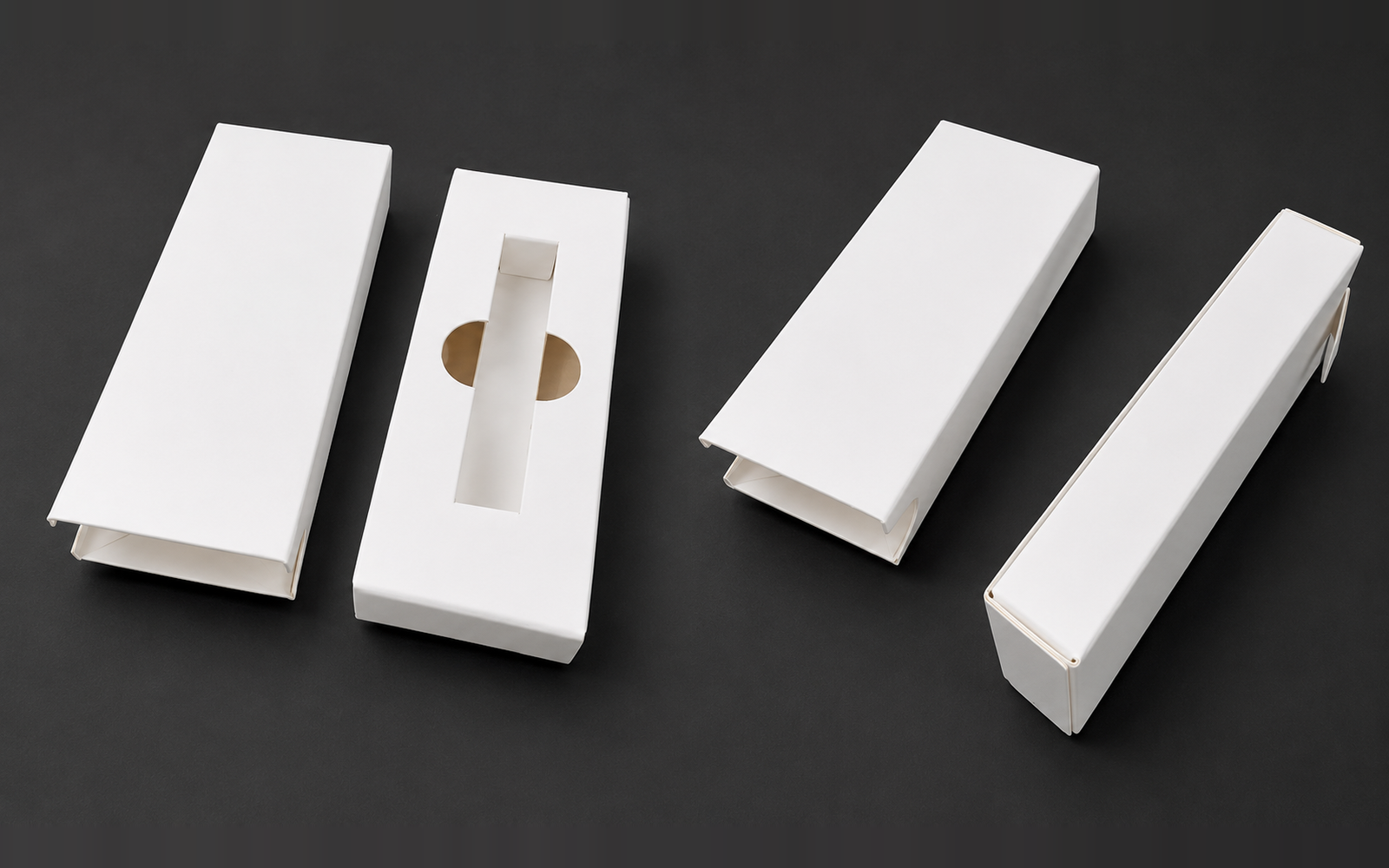
Press on Both Sides
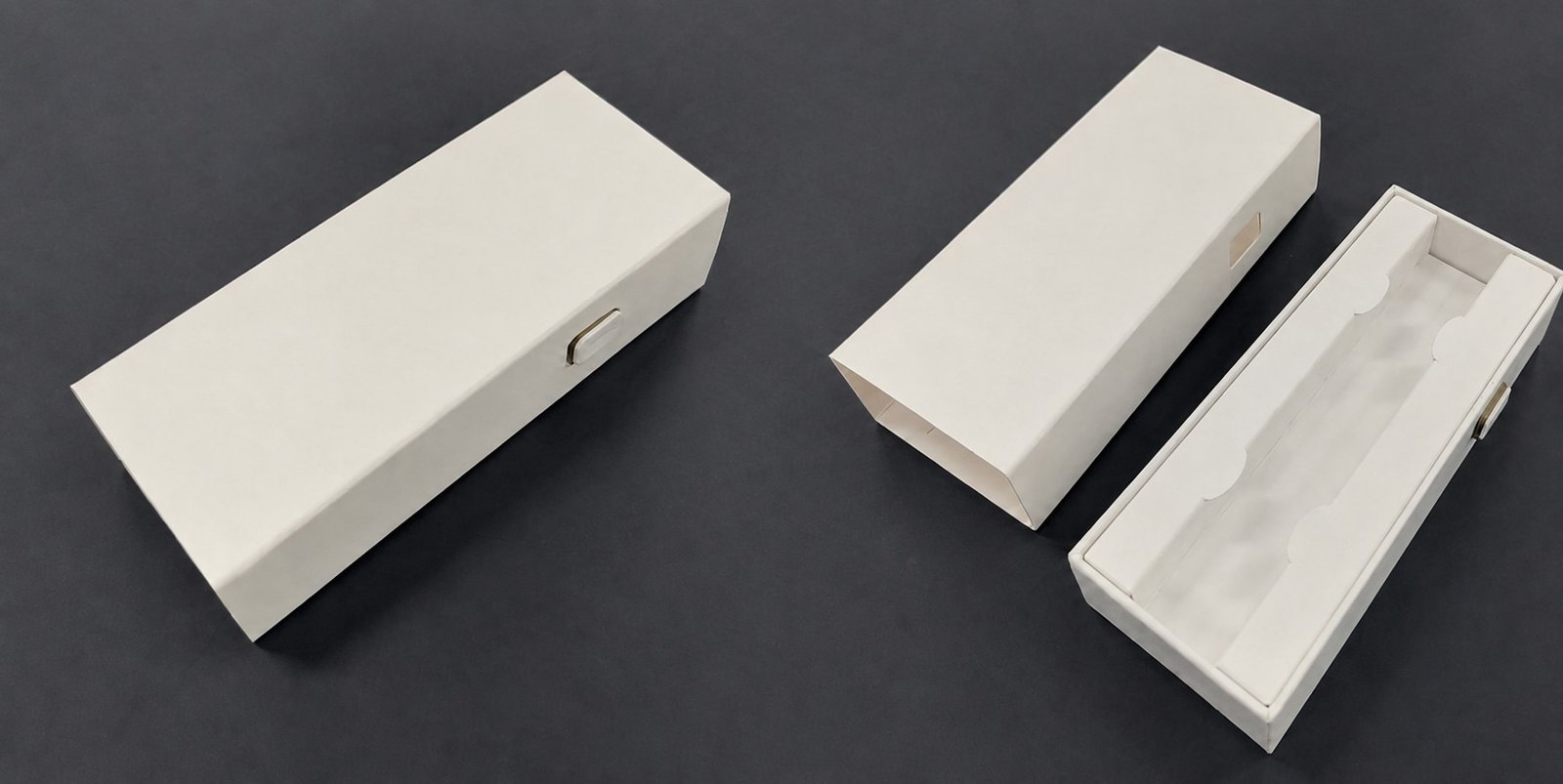
Coordinated pressure on both sides releases the internal locking interaction for opening. Minimum box height: 21 mm; applicable to box heights of 21 mm or above.
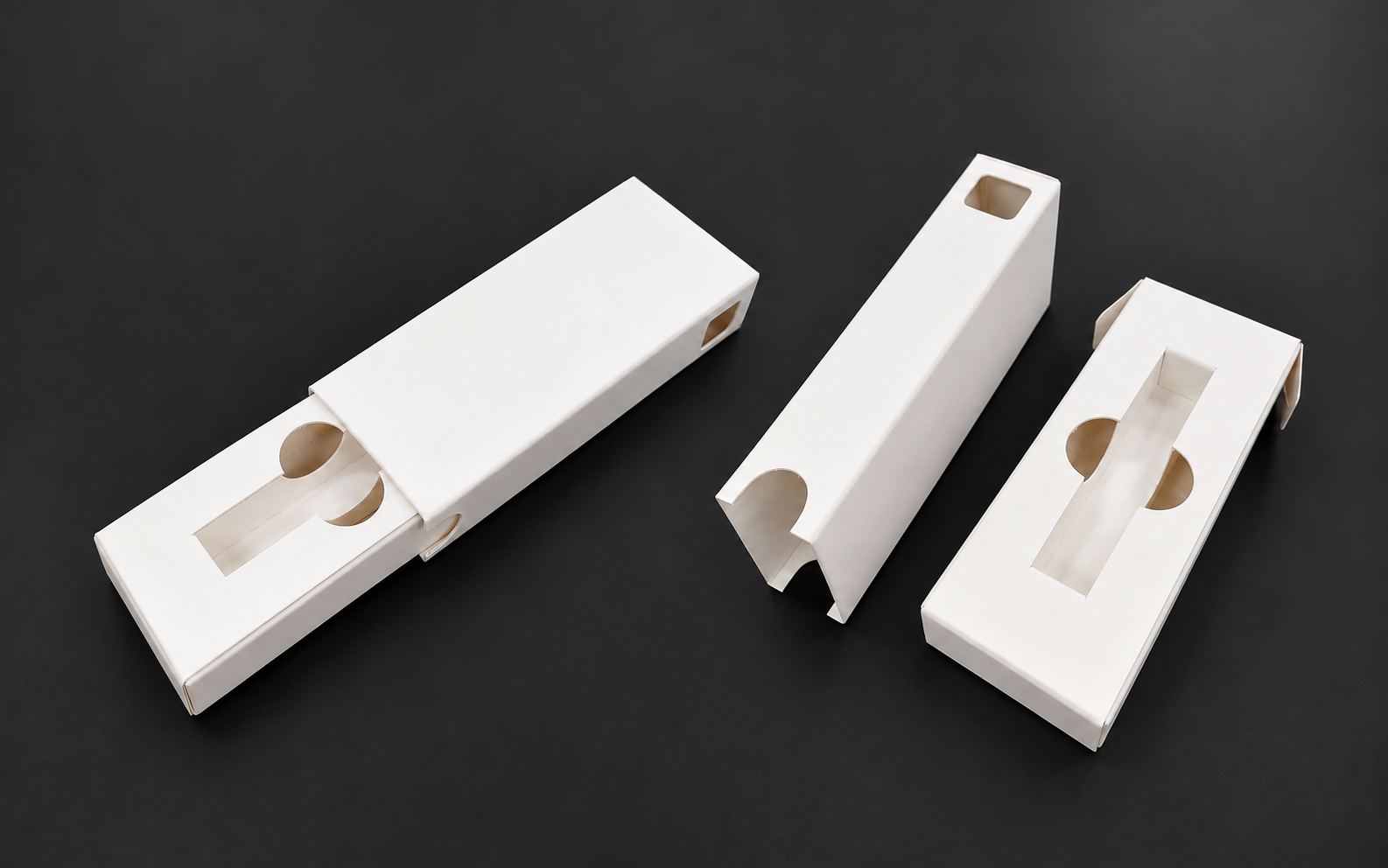
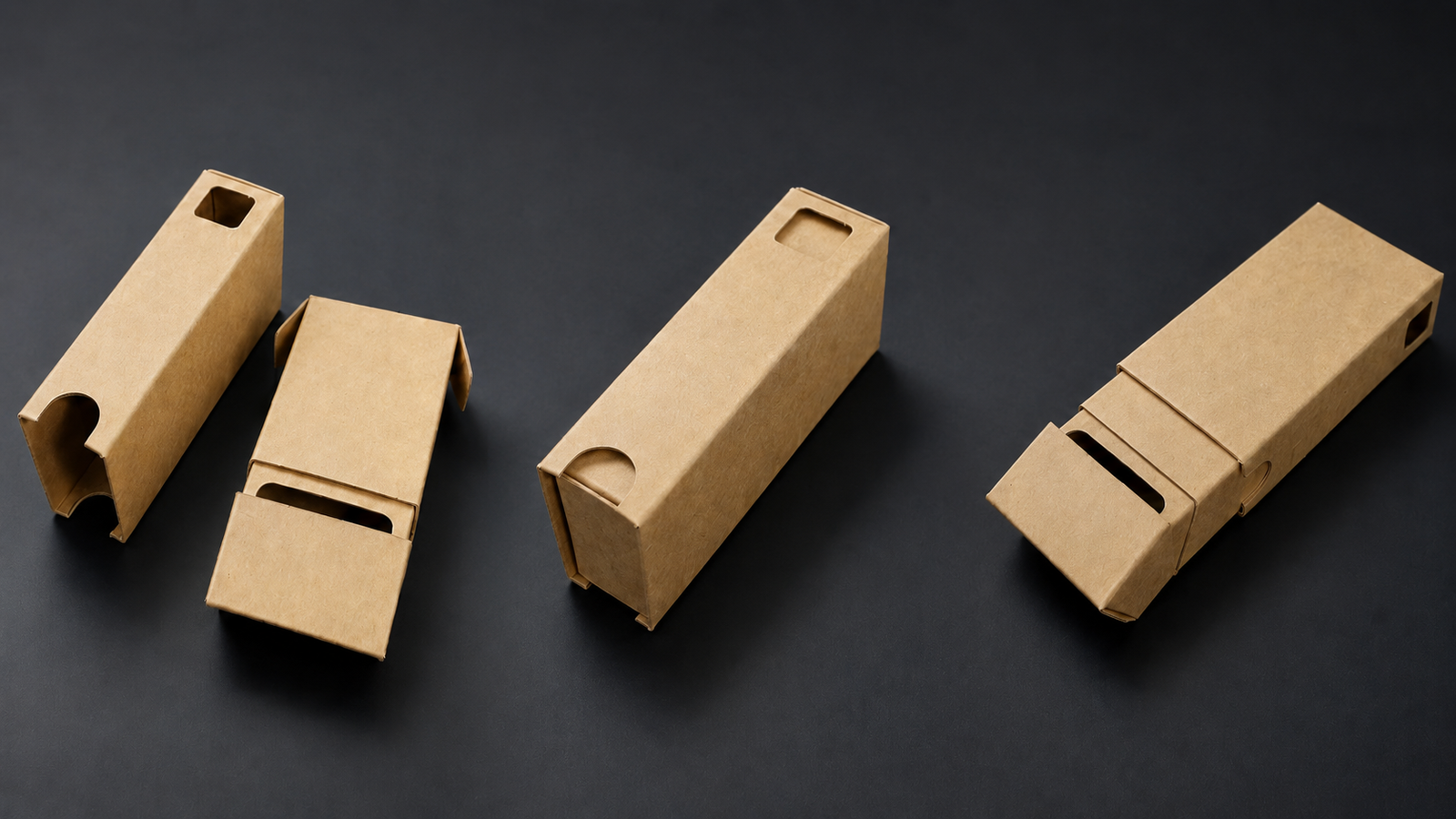
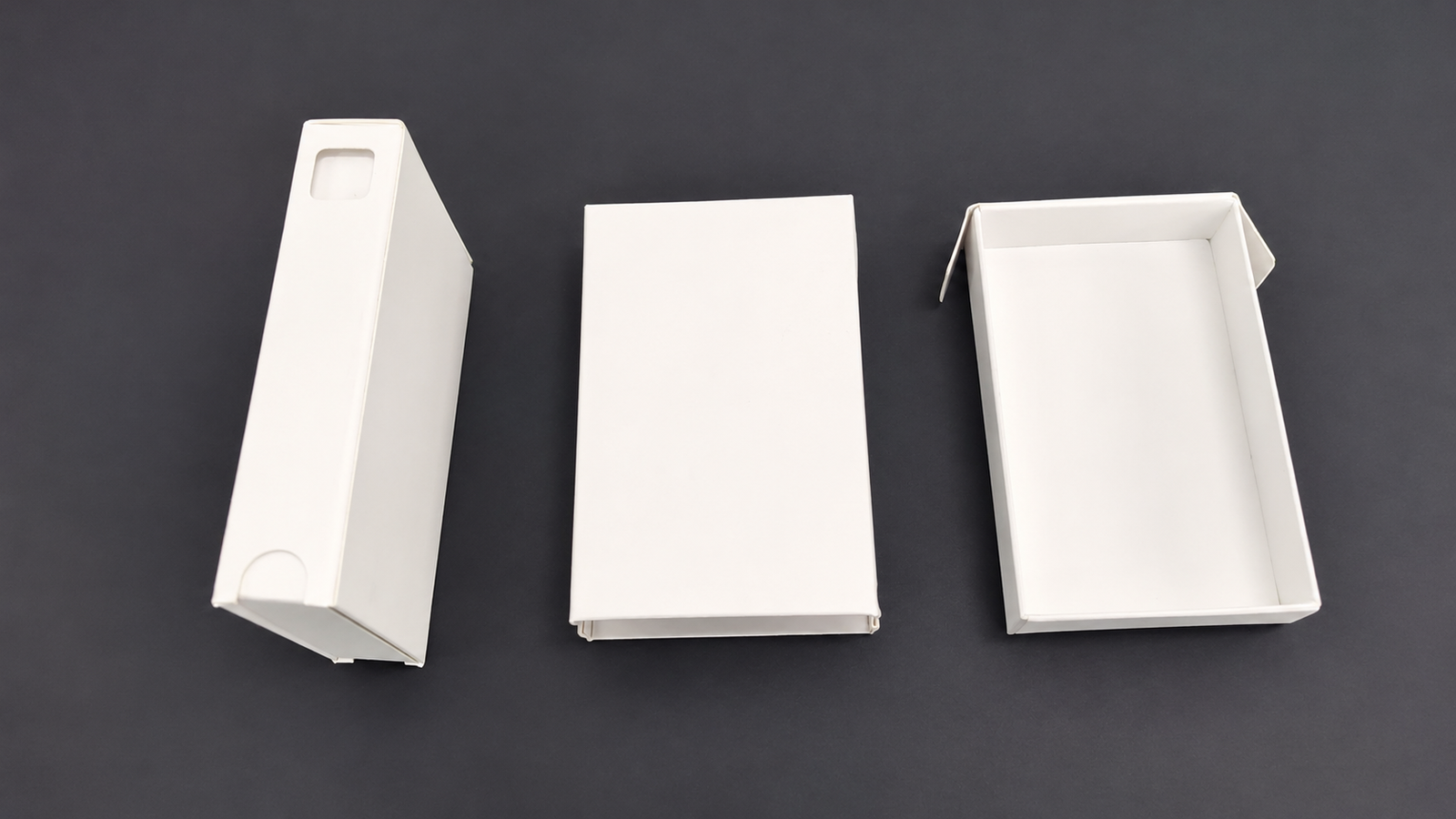
Mitsuiwa develops Taiwan-made, paper-based structures designed for child-resistant packaging applications, including cartridge, vape and pre-roll packaging. Custom development considers the opening mechanism, product fit, paper-based inserts and production requirements.
From prototypes and sample approval to mass production, we focus on stable forming precision, controlled opening behavior and production consistency. Paper-based inserts can be evaluated to reduce selected plastic components where technically suitable.
Opens your email application.
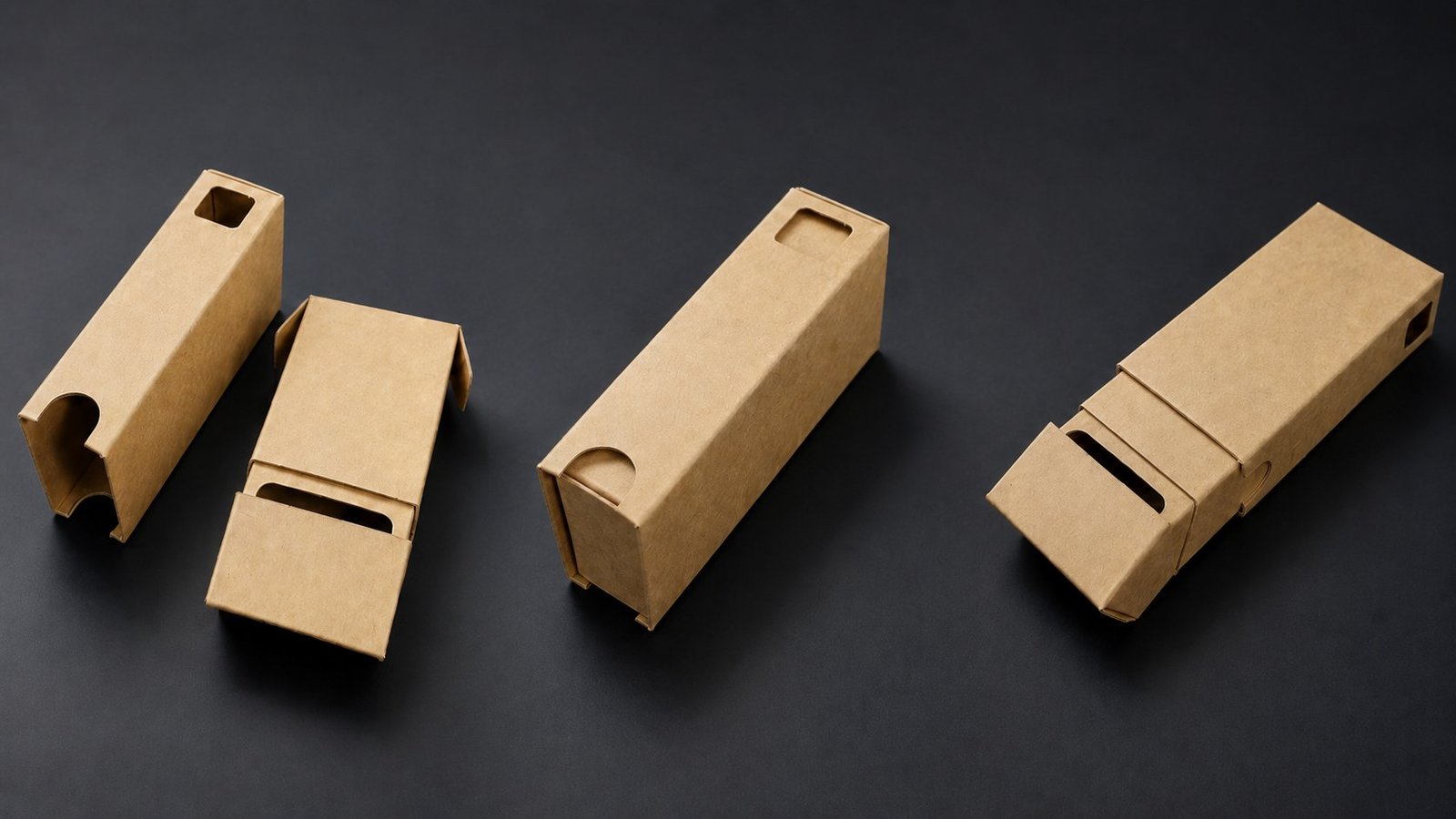
Child-resistant packaging structures can be developed around product dimensions, opening behavior, user interaction, inserts and production requirements.
Mechanism suitability is evaluated for the specific package and product configuration.
Coordinated pressure on both sides releases the internal locking interaction for opening. Minimum box height: 21 mm; applicable to box heights of 21 mm or above.
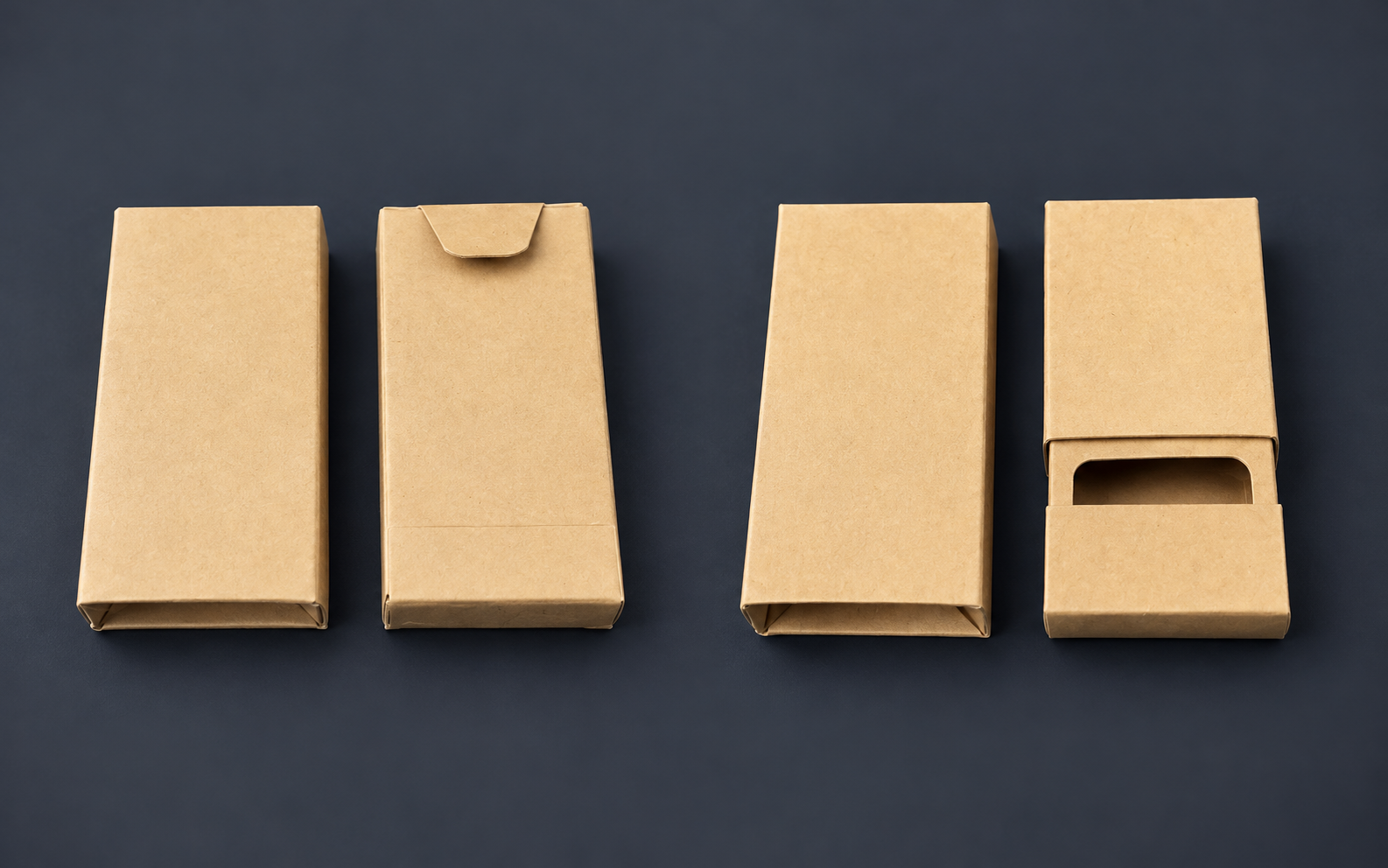
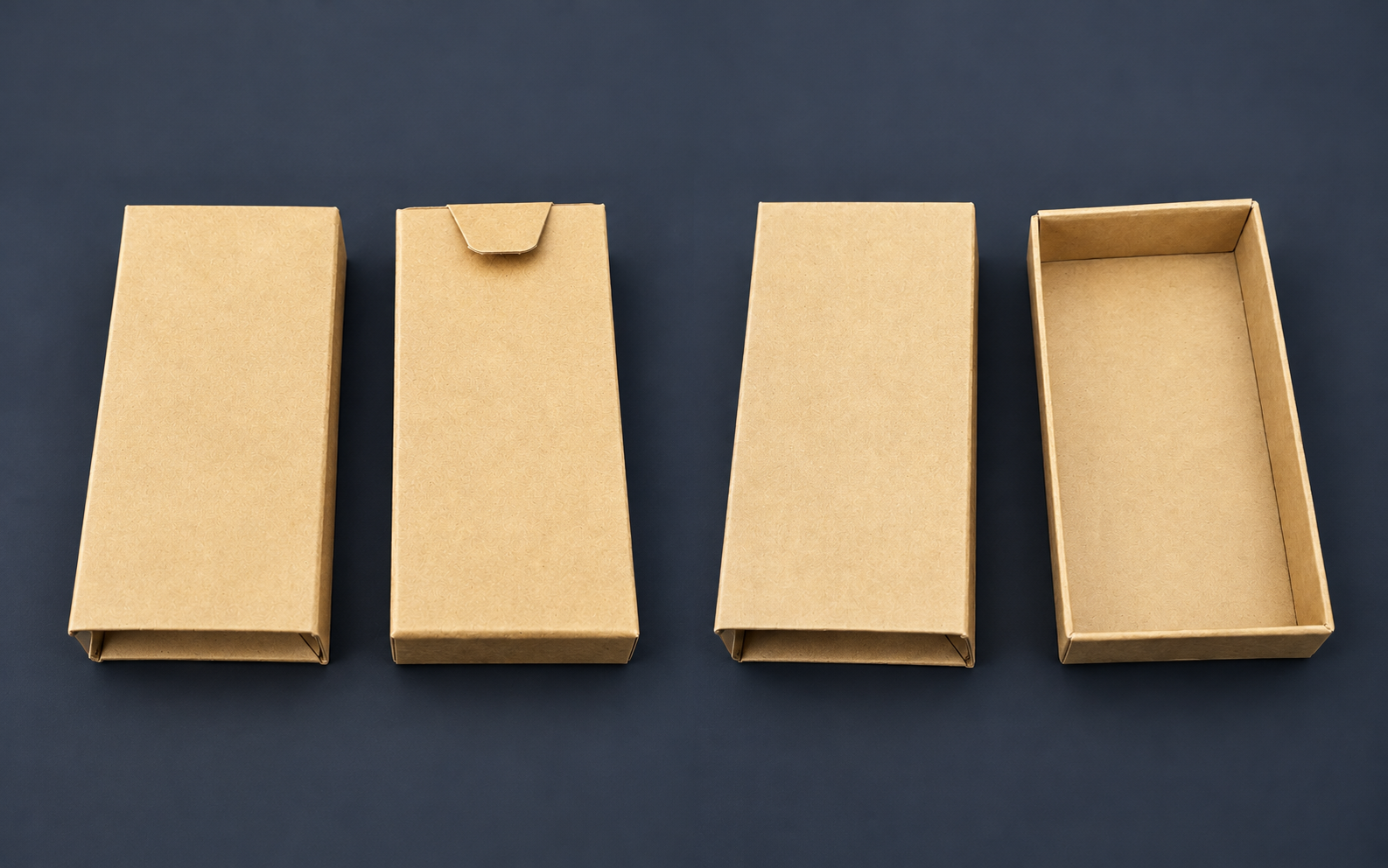
Based on a similar locking concept to Press on Both Sides, with a different pressing direction. The CR locking feature is discreet from the exterior; compared with a standard drawer box, only an additional crease line is visible. Minimum box height: 21 mm.
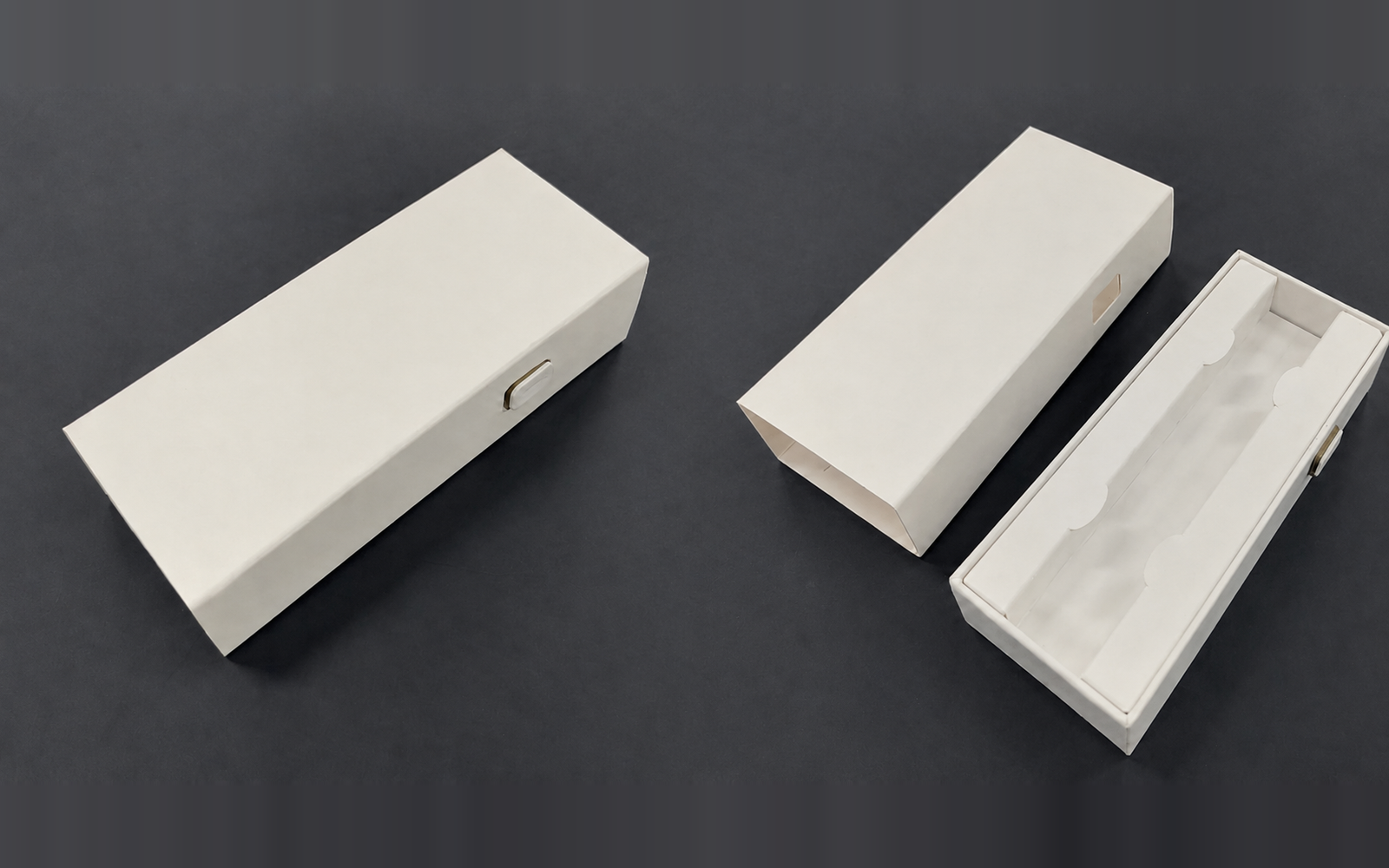
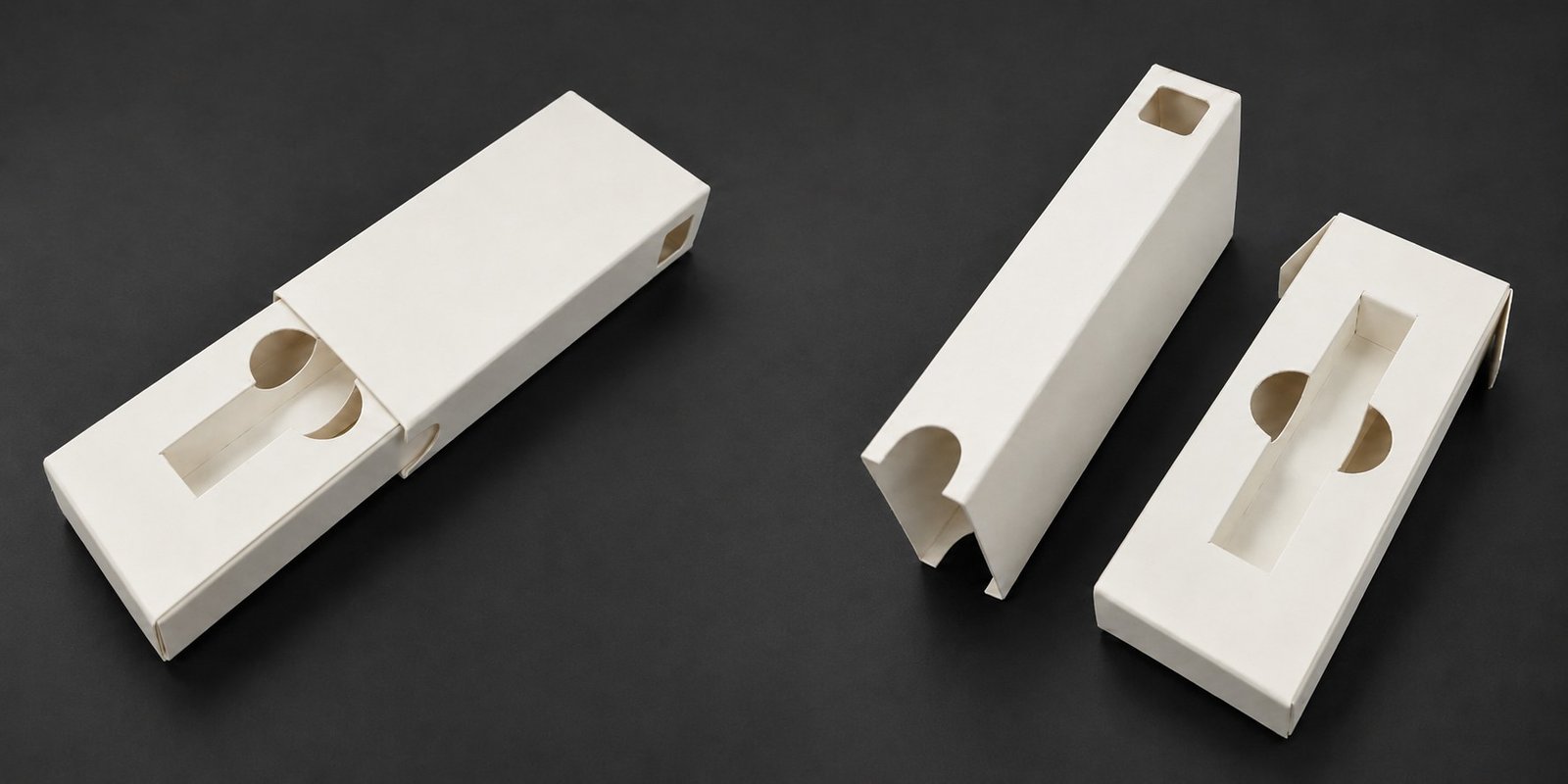
A single-sided side-press mechanism suitable for selected vape and pre-roll packaging applications. Minimum box height: 16 mm.
Other regulated product applications can be evaluated according to product, market and project requirements.
Paper-based structures and inserts developed around cartridge dimensions, positioning and access requirements.
Custom structures evaluated around device dimensions, product protection and opening interaction.
Structures and compartments evaluated around product length, assortment and packing requirements.
Child-resistant packaging needs to balance opening mechanism, product access, dimensional accuracy, user interaction and production feasibility.
Mitsuiwa evaluates the outer structure, locking interaction, inner tray or insert, product fit and manufacturing method as one integrated packaging system.
Child-resistant packages can be developed together with paper-based inserts and internal structural components to organize, position and protect cartridges, vape products, pre-rolls and other products.
Where technically suitable, paper-based structures can also help reduce the use of selected plastic trays and inserts.
Each project is evaluated around product dimensions, CR structure, opening interaction, materials, printing, inserts, target quantity and target market.
Each project moves from product and structural evaluation to an agreed sample specification and production preparation.
Sample approval confirms the agreed packaging specification; it does not replace third-party child-resistant testing.
Mitsuiwa supports automated production of paper-based child-resistant packaging in Taiwan, with a focus on dimensional consistency, structural repeatability and stable mass-production performance.
For child-resistant packaging, consistent structure and opening behavior are especially important when moving from sample development to volume production.
Actual production footage showing the forming, assembly and manufacturing process of paper-based child-resistant packaging.
Designed for child-resistant packaging applications. Testing can be arranged according to project requirements. Test requirements and acceptance criteria should be confirmed for each project and target market.
Test results apply to the specific packaging structure, dimensions, materials and product configuration evaluated and should not be generalized to all Mitsuiwa packaging.
For child-resistant packaging, quality depends not only on appearance but also on structural repeatability throughout production.
Package dimensions and structural components must remain stable across repeated production.
Press, slide and locking interactions should remain controlled and consistent.
Internal components should maintain stable positioning around the product.
Edges, folds, seams and assembled structures should remain clean and controlled.
The objective is to maintain consistent packaging structure and performance throughout volume manufacturing.
Minimum order quantity depends on package structure, dimensions, materials, printing, inserts, test requirements and production method.
For project evaluation and volume pricing, please provide your expected quantity together with product dimensions, target market and packaging requirements.
Opens your email application.
Mitsuiwa develops paper-based child-resistant packaging structures including Press on Both Sides, Back Press, Single-Sided Side Press, drawer-style and other customized concepts depending on product and project requirements.
Applications include cartridges, vape products, pre-rolls and other regulated product categories where a paper-based child-resistant structure is suitable.
Yes. Dimensions, outer structure, inner tray, inserts, printing and branding can be developed around the product and project requirements.
Yes. Paper-based inserts and internal structures can be evaluated for product positioning, organization and protection.
Mitsuiwa can support third-party test preparation based on the specific package structure, dimensions, materials, product configuration and target market.
No. Test results apply to the specific structure, dimensions, materials, product configuration and test conditions evaluated. Requirements and acceptance criteria should be confirmed for each project and target market.
Yes. Mitsuiwa focuses on automated production and stable mass-production performance for suitable paper-based child-resistant packaging programs.
Mitsuiwa manufactures paper-based child-resistant packaging in Taiwan.
Prototype development and sample review can be evaluated based on structure, dimensions, materials, product requirements and project stage. Sample approval confirms the agreed specification and does not replace third-party testing.